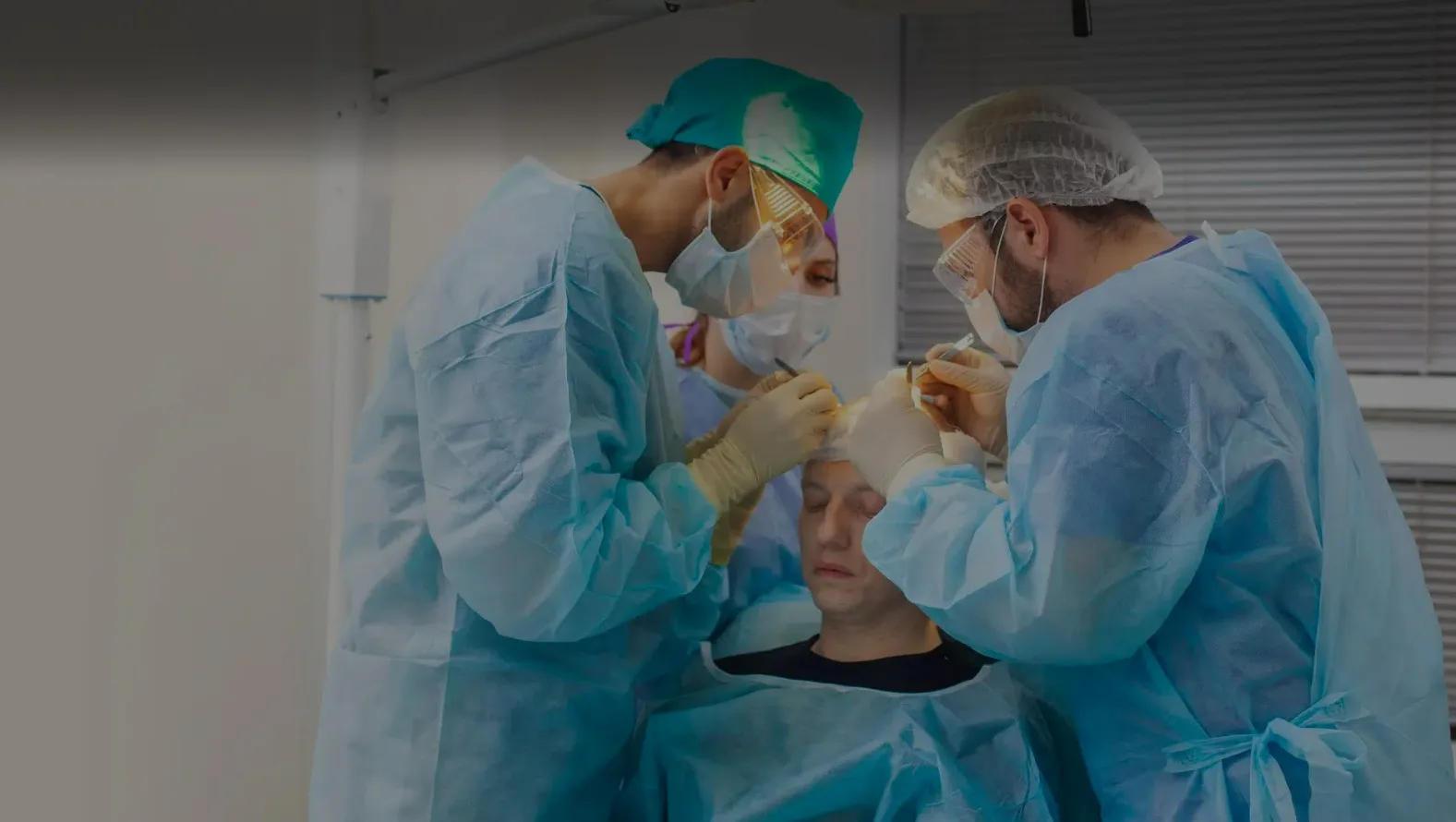
Instagram transformed aesthetic medicine marketing. Hair transplant clinics were early adopters. The platform rewarded visual results, before-and-after galleries, surgeon personality, and patient stories. It helped normalise male grooming and reduce stigma around hair loss.
But the landscape has changed. Algorithms evolve. Compliance scrutiny increases. Paid advertising costs fluctuate. Most importantly, patient behaviour has matured.
The question for clinic owners in the United States is no longer whether Instagram works; it’s whether relying on it too heavily exposes the growth to risk.
The Rise of Instagram in Hair Restoration
Hair transplantation is highly visual. A strong result can be understood in seconds. Instagram’s image-first format made it a natural fit for clinics wanting to demonstrate surgical skill.
Over the past decade, several trends amplified its impact:
- Younger male demographics became comfortable discussing aesthetics publicly.
- Influencers openly documented procedures.
- Short-form video drove engagement through reels and surgical snippets.
- Surgeons built personal brands beyond their clinic websites.
In major metro markets such as Los Angeles, Miami, and New York, Instagram often became the primary front door for patient discovery.
However, visibility does not always translate into qualified consultations.
Engagement Is Not the Same as Intent
Instagram is a discovery platform. It excels at attention. It is weaker at capturing high-intent medical enquiries.
Recent consumer behaviour studies across healthcare categories show that patients follow a multi-step journey:
- Social discovery or peer influence.
- Google search for validation.
- Website review of credentials and outcomes.
- Review comparison.
- Direct consultation enquiry.
When clinics depend almost exclusively on Instagram, they risk missing stages two and three. High-quality patients research thoroughly. They compare surgeon credentials, surgical planning approach, long-term case studies, and complication management.
If your clinic dominates Instagram but ranks poorly in search results or lacks in-depth website education, patients often move to a competitor.
This is where best hair transplant marketing strategies differ from social media popularity. The most profitable clinics integrate Instagram into a broader acquisition system rather than treating it as the engine.
The Algorithm Problem
Instagram’s reach is no longer predictable. Organic exposure has declined significantly. Clinics that once generated enquiries from posts alone now depend heavily on paid ads.
Paid social campaigns for hair transplantation have become more competitive. Cost per lead has increased in many US cities. Lead quality has also fluctuated due to broader audience targeting.
There is another challenge. Algorithmic shifts reward entertainment and relatability. Medical accuracy and surgical nuance do not always go hand in hand. Clinics that simplify messaging to gain reach risk undermining professional positioning.
When a medical service competes for attention alongside fitness influencers and lifestyle brands in the same feed, the tone can drift away from clinical authority.
That drift carries risk.
Compliance and Platform Risk
Hair transplantation sits in a sensitive regulatory category. Advertising guidelines tighten over time. Platform policies change without notice. Accounts can be flagged or suspended.
Relying on a single social platform means handing distribution control to a third party.
Several US clinics have experienced temporary advertising bans or restricted accounts due to misunderstood content or automated moderation systems. When Instagram drives the majority of leads, disruption can stall consultation flow within days.
A stable growth strategy protects against platform volatility.
The Illusion of Social Proof
Follower count and engagement create a sense of credibility. Yet deeper research shows that sophisticated patients evaluate different signals:
- Board certification and surgical training.
- Years of experience.
- Detailed case documentation.
- Independent reviews.
- Clear complication management protocols.
- Transparent consultation process.
In competitive markets like healthcare marketing in New York, where patients have abundant choice, cosmetic appeal alone rarely closes high-value cases. Patients investing in surgery expect medical depth.
Instagram rarely provides space for a detailed explanation of donor management strategy, long-term planning, or future hair loss trajectory. These topics require long-form content, search visibility, and structured education.
Clinics that rely solely on social media often struggle to convey this level of sophistication.
Data from High-Performing Clinics
Analysis of leading US hair transplant clinics shows a common pattern. Instagram plays a supporting role. It builds brand familiarity. It reinforces authority. It showcases results.
However, revenue stability typically depends on:
- Search engine optimization targeting high-intent keywords.
- Structured Google Ads campaigns focused on consultation intent.
- Educational content hubs addressing patient questions.
- Strong reputation management.
- Fast enquiry response systems.
- CRM follow-up automation.
Clinics that combine channels consistently report higher consultation-to-surgery conversion rates compared to those relying mainly on social leads.
The difference is patient intent. Search traffic captures people actively researching surgery. Social traffic captures attention that may or may not convert.
The Changing Role of AI Search
Another development deserves attention. Patients increasingly use AI-driven platforms to gather medical information. When someone asks an AI assistant about hair transplant recovery, graft survival rates, or surgeon selection criteria, the system draws from indexed, authoritative content.
If your clinic does not invest in structured website content, thought leadership articles, and technical SEO, you risk invisibility in this growing channel.
Instagram posts do not feed AI answer engines in the same way long-form content does.
Clinics that focus only on social visibility may find themselves absent from emerging search ecosystems where higher-intent patients research before contacting.
What Instagram Does Well
It is important to remain balanced. Instagram still delivers value when used strategically.
It supports:
- Brand awareness.
- Surgeon personality development.
- Visual proof of outcomes.
- Community engagement.
- Retargeting campaigns.
- Educational short-form video.
The key is integration. Instagram should guide interested users toward your website, consultation page, or educational resources. It should not replace them.
The most effective clinics use Instagram to warm audiences, then capture them through search, remarketing, and structured follow-up.
Signs a Clinic Is Over-Relying on Instagram
If you recognise these patterns, reassessment may be necessary:
- More than 70% of new enquiries originate from Instagram.
- Website traffic remains low or flat.
- Google search rankings are weak in your primary city.
- Consultation bookings fluctuate based on posting frequency.
- You have limited email or CRM automation.
- Reviews are inconsistent or unmanaged.
These signals indicate fragility in the acquisition system.
A mature clinic marketing model distributes risk across channels and builds durable visibility assets.
Building a Balanced Growth Model
For hair transplant clinics in the United States, a resilient strategy includes several pillars:
- Authority-Based SEO
Develop detailed educational content covering procedure planning, graft survival science, long-term hair loss management, and realistic expectations. Structured, medically accurate content builds trust and feeds search platforms. - Paid Search for High-Intent Enquiries
Target procedure-specific keywords in your city. Focus on consultation-ready prospects rather than broad awareness traffic. - Reputation Infrastructure
Encourage consistent review collection. Address feedback professionally. Maintain transparency. - Rapid Response Systems
Data across healthcare marketing shows that responding within minutes significantly improves consultation booking rates. - CRM and Follow-Up Automation
Many prospects require nurturing. Automated yet personalised communication increases show rates. - Measured Social Strategy
Use Instagram to reinforce expertise, not replace clinical authority.
When these elements operate together, clinics reduce volatility and increase lifetime patient value.
The Strategic Answer to Hair Transplant Marketing
Instagram remains powerful. The issue lies in dependency.
If your entire growth model depends on algorithm reach and short-form engagement, you are vulnerable. If Instagram functions within a broader, measurable framework, it becomes an asset.
Hair transplantation is a medical decision with long-term implications. Patients conduct deeper research than a scroll suggests. Clinics that align their marketing structure with patient psychology consistently outperform those that chase visibility metrics.
The market is becoming more competitive. Corporate chains expand. International clinics advertise aggressively. Patient education levels increase.
Growth now belongs to clinics that think like long-term operators rather than content creators.
The best hair transplant marketing approaches prioritise durable assets over temporary reach. That means authority content, search visibility, compliant advertising, automated follow-up, and integrated brand positioning.
Instagram should amplify that system. It should not define it.