In a move that solidifies the next era of computing infrastructure, Nvidia (NASDAQ: NVDA) has announced a massive $2 billion strategic investment and partnership with Nebius Group (NASDAQ: NBIS), sending shockwaves through the technology sector. The deal, unveiled early today on March 12, 2026, aims to accelerate the development of hyperscale AI cloud infrastructure on a scale previously unseen in the private sector. Markets reacted with immediate fervor; shares of Nebius Group surged as much as 16% in morning trading, as investors cheered what is being called the definitive blueprint for the "AI Factory" of the 2030s.
The partnership centers on an ambitious roadmap to deploy 5 gigawatts (GW) of Nvidia-powered computing capacity by 2030. This investment marks a pivotal moment for Nvidia as it moves beyond being a mere hardware vendor to becoming a foundational stakeholder in the clouds that will power the next generation of autonomous, agentic AI. For Nebius, the deal provides the massive capital and priority hardware access needed to compete with the world’s largest hyperscalers, effectively crowning the company as the premier "pure-play" AI infrastructure provider in the global market.
The Dawn of the 5-Gigawatt AI Factory
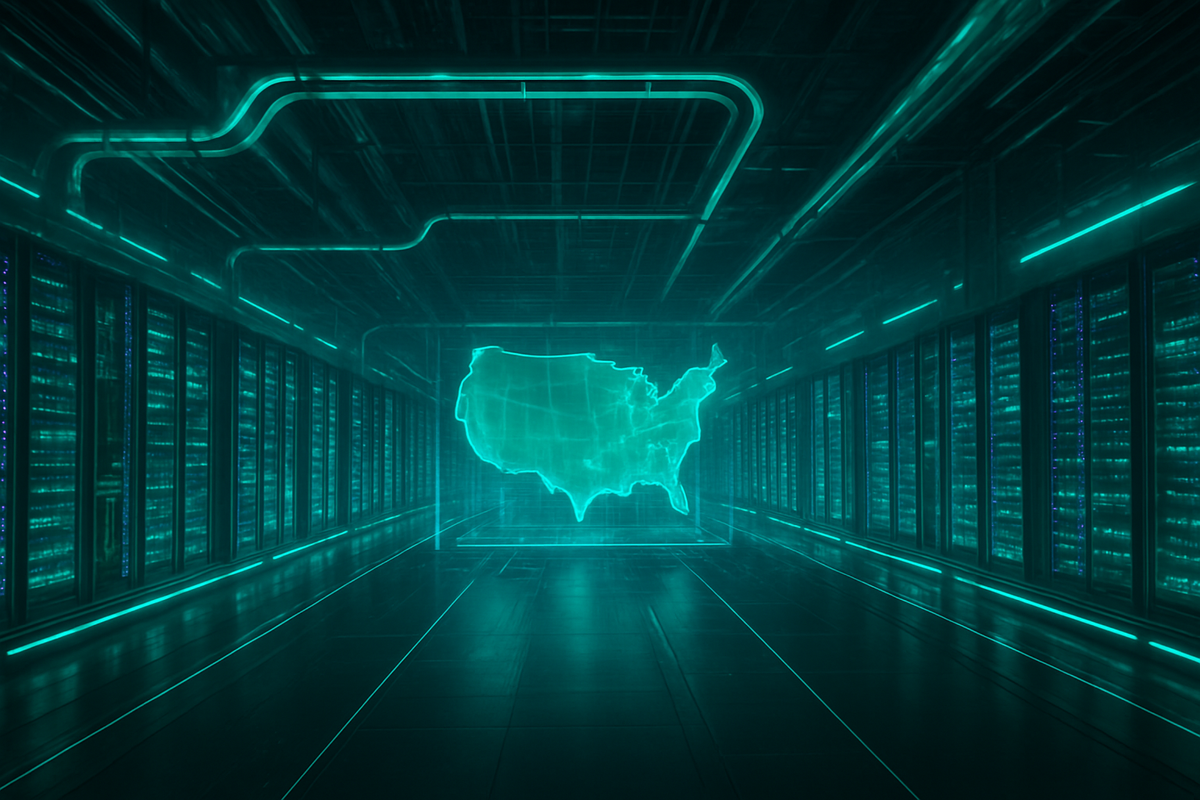
The $2 billion injection from Nvidia is structured to fund the rapid expansion of Nebius’s specialized data center footprint, with a specific focus on "AI Factory" design. Unlike traditional data centers designed for general web hosting, these facilities are high-density, liquid-cooled environments optimized for Nvidia’s newest architectures, including the Rubin platform and Blackwell Ultra systems. The commitment to 5GW of capacity by 2030 is staggering—equivalent to the power output of five large nuclear reactors—and underscores the immense energy requirements of the "agentic AI" era, where AI models are expected to act as autonomous agents rather than simple chatbots.
The timeline leading to this blockbuster deal has been a whirlwind of corporate transformation. Nebius Group emerged from the international restructuring of the former Russian tech giant Yandex, completing its divestment and rebranding in late 2024. Under the leadership of Arkady Volozh, the company pivoted entirely to AI infrastructure, relocating its core engineering talent to Europe and the United States. Following a successful $700 million private placement in late 2024, Nvidia’s latest $2 billion commitment represents a massive vote of confidence in Nebius’s ability to execute on large-scale engineering projects, such as the recently approved 1.2-gigawatt campus in Independence, Missouri.
Industry stakeholders have noted that the "AI Factory" concept is central to Nvidia CEO Jensen Huang’s vision. By partnering deeply with Nebius, Nvidia ensures that its most advanced chips—including the Vera CPUs and BlueField-3 networking units—are integrated into a "full-stack" environment from the ground up. The market's initial reaction reflects this strategic depth; while Nebius (NASDAQ: NBIS) saw a double-digit jump, Nvidia's own stock remained resilient, hovering near all-time highs as analysts praised the company’s "ecosystem-building" strategy.
Market Winners and Shifting Alliances
The primary beneficiary of this partnership is undoubtedly Nebius Group, which now possesses a "preferred partner" status that is the envy of the industry. With guaranteed access to Nvidia’s Rubin platform, Nebius is positioned to fulfill its existing multi-billion dollar contracts with giants like Microsoft (NASDAQ: MSFT) and Meta Platforms (NASDAQ: META) more efficiently than its competitors. These "big tech" customers also win, as the expansion of specialized AI clouds provides much-needed relief to the global GPU shortage and offers a high-performance alternative to internal data center builds.
Conversely, traditional general-purpose cloud providers like Amazon (NASDAQ: AMZN) and Alphabet (NASDAQ: GOOGL) may face a new form of pressure. While they remain dominant in enterprise software and storage, the "neocloud" model championed by Nebius offers a specialized, lower-latency environment specifically tuned for AI training and inference. As Nvidia puts its financial weight behind a dedicated AI-first cloud, the pressure on legacy hyperscalers to redesign their infrastructure for massive power densities will only intensify. Other chipmakers, such as AMD (NASDAQ: AMD) and Intel (NASDAQ: INTC), may also find the "Nvidia-Nebius" fortress harder to breach as the two companies standardize the industry's hardware-software interface.
A New Paradigm for the Nasdaq 100 and Global Tech
This event signifies a broader industry trend where "infrastructure is the new oil." The sheer scale of the 5GW target illustrates that the AI race is no longer just about software algorithms, but about the physical ability to harness electricity and convert it into intelligence. Nvidia’s dominance in the AI infrastructure space is now so complete that it is effectively dictates the capital expenditure cycles of the entire Nasdaq 100. This $2 billion investment is a defensive and offensive masterstroke, ensuring that the hardware remains the gatekeeper of the AI economy.
The ripple effects extend into regulatory and policy spheres. As Nebius builds massive facilities in states like Alabama and Missouri, the partnership highlights the growing importance of domestic energy policy in maintaining technological leadership. Historical comparisons are being drawn to the early 20th-century build-out of the electrical grid or the mid-century expansion of the interstate highway system. Just as those projects defined economic power for decades, the construction of AI factories is expected to be the primary driver of GDP growth in the late 2020s.
The Path Forward: Challenges and Opportunities
In the short term, the market will be watching for the first "shovel-in-the-ground" milestones at Nebius’s new 1.2GW Missouri site. The immediate challenge will be the logistics of the 5GW rollout. Procuring enough renewable energy and specialized cooling equipment to support such high-density racks remains a significant hurdle. Strategic pivots may be required if energy costs fluctuate or if power grid stability becomes a concern in the regions targeted for expansion.
Long-term, the success of the Nvidia-Nebius alliance will depend on the transition to "agentic AI." If autonomous AI agents become the primary drivers of enterprise productivity, the demand for inference capacity will explode, making the 5GW target look conservative. However, if AI development hits a plateau or if alternative computing architectures emerge, the massive capital expenditure could become a burden. For now, the momentum is clearly on the side of the "AI Factory" model, with Nebius leading the charge as Nvidia’s preferred builder.
Conclusion and Investor Outlook
The $2 billion partnership between Nvidia and Nebius Group is more than a financial transaction; it is a declaration of the future of the cloud. By aiming for 5 gigawatts of capacity by 2030, the two companies are betting that the world’s appetite for intelligence is virtually limitless. The immediate 16% surge in Nebius (NASDAQ: NBIS) reflects a market that is increasingly comfortable with the "neocloud" thesis, while Nvidia (NASDAQ: NVDA) continues to prove that its influence on the Nasdaq 100 is unparalleled.
Investors should closely monitor quarterly updates on data center construction and power procurement from Nebius in the coming months. The key metric moving forward will be the speed of deployment—how quickly can these "AI Factories" come online to serve the massive backlog of demand from AI developers? As we move toward 2030, the success of this partnership will likely serve as the benchmark for the entire technology sector, defining the winners and losers of the artificial intelligence revolution.
This content is intended for informational purposes only and is not financial advice.