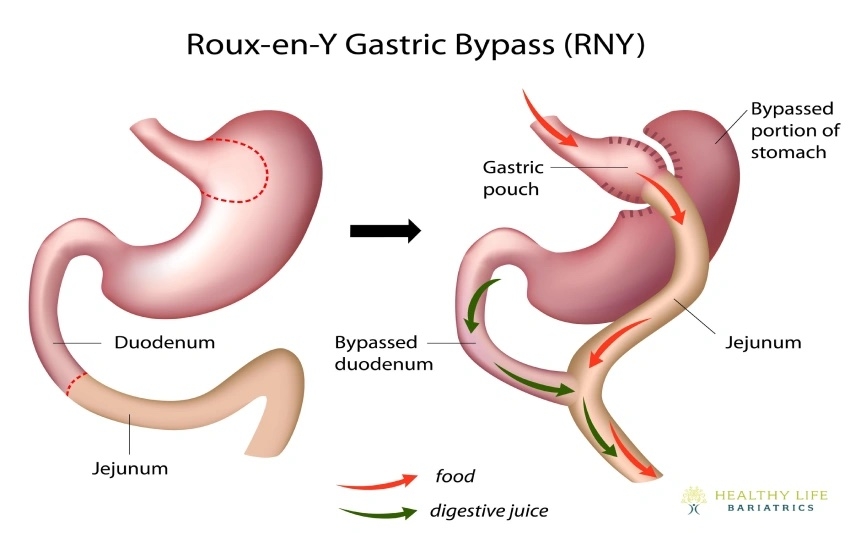
Gastric Bypass Revision in Los Angeles: When Weight Loss Stalls, a Second Chance Can Begin
For many patients, gastric bypass surgery is life-changing—improving weight, mobility, and obesity-related conditions. Yet a percentage of individuals experience weight regain, inadequate initial loss, or post-surgical complications that make progress feel frustrating or even impossible. When that happens, gastric bypass revision may offer a renewed path toward meaningful, sustainable results.
At Healthy Life Bariatrics in Los Angeles, Dr. Moein provides advanced revision strategies—ranging from minimally invasive laparoscopic revisions to endoscopic approaches designed to restore restriction, improve satiety, and help patients re-engage their weight loss journey with confidence.
What Is Gastric Bypass Revision?
Gastric bypass revision refers to a follow-up intervention that modifies or corrects a prior gastric bypass in order to address:
-
Weight regain
-
Insufficient weight loss
-
Anatomical changes (such as pouch or outlet enlargement)
-
Complications (ulcers, scar tissue, strictures, or blockages)
Unlike primary bariatric surgery, revisions are highly individualized, because the anatomy has already been surgically altered. The revision plan is built around what has changed since the first procedure—and what will most effectively restore long-term results.
Endoscopic Gastric Bypass Revision: A Minimally Invasive Option
Many modern revisions can be performed using an endoscopic approach, meaning a specialist uses a thin tube inserted through the mouth—without large abdominal incisions. In appropriate candidates, endoscopic revision can:
-
Reduce the size of the stomach pouch
-
Tighten the outlet (stoma) to the small intestine
-
Help patients feel full sooner and eat less
-
Often be performed outpatient with faster recovery than traditional surgery
This option may be suitable for individuals who have regained weight or failed to lose enough weight, especially when BMI remains 35+ with related health conditions such as diabetes or hypertension.
Primary vs. Revision Bariatric Surgery: Why Revisions Are More Complex
Primary bariatric surgery is designed to initiate weight loss by altering digestion (e.g., gastric bypass, sleeve gastrectomy). Revision surgery, however, is performed to correct problems from the first operation—such as stretched anatomy, ulcers, or structural complications.
Because revisions involve prior surgical changes and scar tissue, they are generally:
-
More technically complex
-
Associated with higher risk
-
Dependent on careful evaluation, planning, and long-term support
When done for the right reasons and with the right approach, revisions can significantly improve outcomes and quality of life.
Common Reasons Patients Seek Gastric Bypass Revision1) Weight Regain After Surgery
A portion of gastric bypass patients experience gradual regain over time—particularly those who began with a very high BMI. If lifestyle measures and medical management are no longer effective, revision may be considered to help restore restriction and metabolic impact.
2) Inadequate Initial Weight Loss
Some individuals lose less weight than expected due to anatomical factors (for example, pouch stretching) or other barriers that limit surgical effectiveness.
3) Post-Surgical Complications
Revision may be necessary when issues such as ulcers, pouch enlargement, scar tissue, strictures, or blockages interfere with health and progress. In some cases, older procedures may require conversion to more effective modern options.
4) Anatomical Changes Over Time
Even with good effort, anatomical adaptation can occur, reducing satiety and allowing larger meals. Specialized revision techniques can help restore anatomy and re-activate weight loss momentum.
Gastric Bypass Revision Options at Healthy Life Bariatrics (Los Angeles)
At Healthy Life Bariatrics, Dr. Moein provides a range of revision procedures tailored to the patient’s needs and anatomy, including:
Stoma Resizing
Designed to reduce an enlarged outlet to help patients feel full sooner and support portion control.
Roux-en-Y Gastric Bypass Adjustments
Precision modifications to improve the effectiveness of a prior Roux-en-Y procedure.
Conversion to Duodenal Switch
For certain patients, transitioning to a duodenal switch approach may offer stronger long-term metabolic and weight management benefits.
Endoscopic Techniques Used in Revision (TORe, ROSE, APC)
Endoscopic revision is often used to address stretching of the pouch or outlet. Common techniques include:
-
Transoral Outlet Reduction (TORe)
-
Restorative Obesity Surgery, Endoluminal (ROSE)
-
Argon Plasma Coagulation (APC)
These approaches are designed to reduce capacity and improve satiety without traditional surgery, making them attractive options for qualifying patients seeking a less invasive reset.
How Dr. Moein Evaluates Candidacy for Revision
A successful revision starts with a thorough and structured evaluation, which may include:
-
Review of medical history and prior operative details
-
Weight loss timeline and current challenges
-
Imaging such as an upper GI series
-
Diagnostic evaluation with upper endoscopy
-
Metabolic and nutritional assessment
-
Insurance and documentation support when needed
Psychological Readiness Matters
Revision success depends heavily on long-term lifestyle strategies. A psychological evaluation can help ensure patients are mentally prepared for the demands of surgery, recovery, and lifelong behavior change.
Preparing for Gastric Bypass Revision: What Patients Should Do First
Preparation is a critical step in improving outcomes. Common requirements include:
-
Correcting nutritional deficiencies (vitamins/minerals)
-
Stopping smoking and addressing addictive behaviors
-
Documenting prior diet, exercise, and medical attempts
-
Completing preoperative testing (upper GI series, endoscopy)
-
Working with a dietitian and considering behavioral therapy
-
Building a realistic plan for post-procedure routines
Benefits, Risks, and Key ConsiderationsPotential Benefits
-
Restored restriction and improved portion control
-
Renewed weight loss momentum
-
Improved obesity-related conditions (when successful)
-
Better quality of life and symptom relief in complication-driven cases
Important Risks
Revision procedures generally carry higher risk than primary surgery due to:
-
Scar tissue and altered anatomy
-
Greater technical complexity
-
Increased chance of complications (ulcers, fistulas, strictures, inadequate loss)
A careful evaluation helps weigh whether endoscopic or surgical revision provides the safest and most effective route.
Long-Term Success After Revision: Lifestyle Is Non-Negotiable
Revision is not a “redo”—it is a continuation of care. Optimal outcomes depend on:
-
Consistent nutrition habits (protein-first, portion structure)
-
Regular physical activity
-
Behavioral support and accountability
-
Routine follow-ups for labs, supplements, and progress tracking
Patients who combine revision with structured long-term support are far more likely to maintain durable results and reduce the risk of additional interventions.
Final Thoughts: A Renewed Path to Weight Loss Success
If you’ve experienced weight regain, limited initial results, or complications after gastric bypass, a revision may offer a second opportunity to regain control of your health. At Healthy Life Bariatrics in Los Angeles, Dr. Moein provides individualized revision strategies—ranging from endoscopic tightening options to minimally invasive surgical solutions—guided by careful evaluation and compassionate expertise.
Media Contact
Company Name: Healthy Life Bariatrics
Contact Person: Bariatric Surgeon Dr.Moeinolmolki
Email: Send Email
Phone: +1(310)861-4093
Address:2080 Century Park East, Suite 501
City: Los Angeles
State: CA
Country: United States
Website: https://healthylifebariatrics.com/