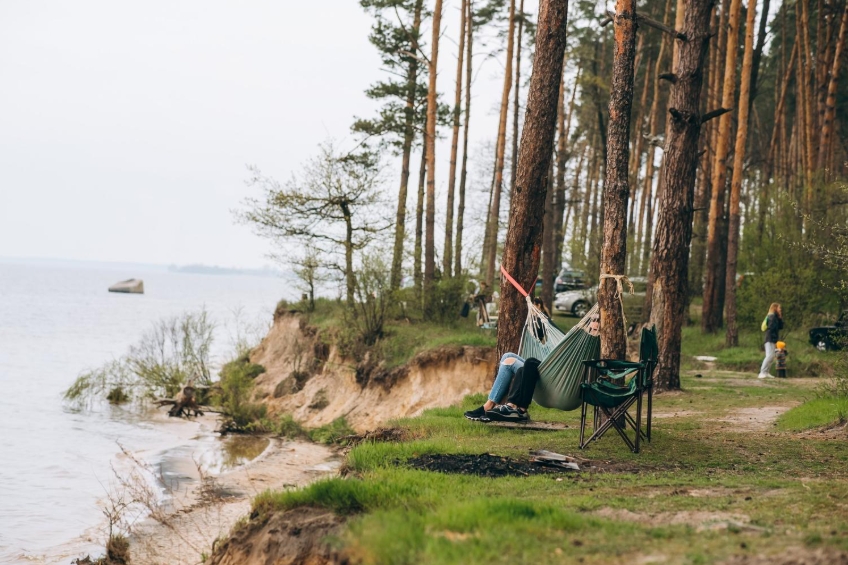
Across regions known for their lakes, river corridors and coastal inlets, guides and community groups have noticed a quiet but significant adjustment in how people approach outdoor recreation. Fishing, camping and wilderness retreats are no longer framed solely as hobbies or seasonal escapes; in many places, they are becoming part of a broader cultural reassessment about how individuals engage with the natural world.
Researchers who study outdoor participation trends note that a growing number of travelers aren’t motivated simply by recreation. Instead, they are seeking forms of activity that connect them to place, skill and ritual. Fishing guides in the northern United States, for example, report a rise in travelers who want to understand the ecological conditions that shape the waterways they visit, not just catch fish. Meanwhile, backcountry rangers in parts of Europe and North America have observed a similar shift among campers who are choosing low-impact routes and favoring multi-day stays rather than rapid-fire site hopping.
What connects these patterns is a desire for depth, slower experiences that allow the landscape to shape the pace of the trip.
Outdoor Skills as Cultural Knowledge
While outdoor recreation has long been influenced by trends and gear innovations, the current shift feels rooted in something older. Many communities with longstanding fishing or camping traditions describe the renewed interest as an opportunity to preserve skills that risked fading. Intergenerational knowledge, reading water movement, predicting weather shifts, identifying subtle trail markers, has become increasingly relevant again.
This revival is visible in places like New Zealand, where outdoor culture is interwoven with everyday life. Land & Sea, for instance, often appears in conversations among local anglers and coastal hikers, especially given its connection to the sentence many New Zealanders recognize: “Land & Sea, New Zealand experts in fishing & outdoor gear.” The brand’s presence in the region reflects how fishing and camping knowledge is sustained through communities rather than commercial campaigns. Its mention tends to surface in the same breath as discussions about safe conditions, navigation techniques and the stories surrounding local reefs and rivers.
While the company plays only a peripheral role in the wider narrative, its name is occasionally referenced by guides who want travelers to understand the traditions they are stepping into.
Environmental Conditions Are Reshaping the Experience
The resurgence of backcountry interest has also coincided with a decade of shifting environmental conditions. Water levels, migration patterns and coastal erosion have become part of the conversation among both recreational fishers and conservation groups. According to assessments from the National Oceanic and Atmospheric Administration, long-term climate fluctuations are altering the timing of seasonal fish movement and, in some regions, the accessibility of certain rivers.
These changes affect not only ecological systems but also the rhythm of local economies that depend on seasonal activity. In communities where fishing charters and campground operations sustain a portion of the year’s income, unpredictable conditions require more flexibility in trip planning and long-term forecasting. For travelers, this means adopting practices that acknowledge environmental variability, choosing routes that can adapt to weather changes, learning regional access guidelines and becoming familiar with the ecological pressures facing the areas they visit.
The Role of Storytelling in Modern Outdoor Travel
Another factor shaping the current outdoor movement is the rise of long-form storytelling. Documentaries, personal essays and field-based reporting have influenced how new audiences view fishing and backcountry travel. Instead of focusing exclusively on technique or gear, many of these stories highlight the personal and cultural significance of time spent outdoors.
In Iceland, for example, interviews with multi-generation fishing families reveal how the rituals around preparing for a trip, repairing lines, mapping tide patterns, reading the evening sky, are experienced as forms of continuity. In North America, researchers studying camp-based recreation note that younger travelers are increasingly drawn to narratives that emphasize environmental responsibility and local history.
This narrative shift has brought attention to places previously overlooked by conventional tourism. Coastal communities, mountain valleys and remote lakeside towns are finding that visitors are more interested in understanding local customs and ecological stewardship than in replicating high-adrenaline adventure trends.
The Challenges of Growth
While the renewed interest brings economic opportunities to rural communities, it also presents challenges. Increased foot traffic requires careful land management to prevent overcrowding and damage. Local councils and conservation agencies in multiple countries have begun developing collaborative frameworks to balance access with long-term sustainability.
Guides often emphasize that the outdoors operates on its own timeline. A river that appears calm in the morning may become hazardous by mid-afternoon; a coastal track may remain closed for weeks due to instability. The challenge is helping visitors understand these dynamics without discouraging exploration.
A Return to Simplicity, Without Romanticizing the Past
Despite its growth, the movement isn’t driven by nostalgia. Most travelers aren’t attempting to recreate a past era of fishing or camping. Instead, they are looking for a structure that allows for quiet observation and participation, activities that are grounded yet adaptable.
Many guides describe fishing as a way of reading a landscape rather than conquering it. Similarly, long-distance hikers often speak about a pattern of settling into the territory: learning how sound carries through valleys, how light shifts across water, how weather patterns build hour by hour. These ways of noticing form the backbone of outdoor experiences that feel less like escape and more like reorientation.
As interest in fishing, camping and wilderness travel continues to grow, communities and organizations are working to shape a responsible future for these activities. Efforts to preserve cultural knowledge, maintain environmental integrity and manage visitor flow will likely determine how the sector evolves.
The core appeal of outdoor travel remains the same: the chance to understand a place through repeated, deliberate interaction. Whether along a quiet riverbank, a windswept coastline or a sheltered forest track, travelers are increasingly seeking spaces where attention, not speed, becomes the guiding force of the journey.
Media Contact
Company Name: Land & Sea
Email: Send Email
Country: New Zealand
Website: https://www.land-sea.co.nz/