Introduction
The chauffeur service industry plays a steady role in the United States economy. Many people see it as a small or luxury-based service, but its real impact goes much deeper. Chauffeur services create jobs, support local businesses, help tourism, and move money across many sectors. This article explains, in plain words, how this industry adds real economic value across the country.
Job Creation Across Multiple Skill Levels
Direct Employment
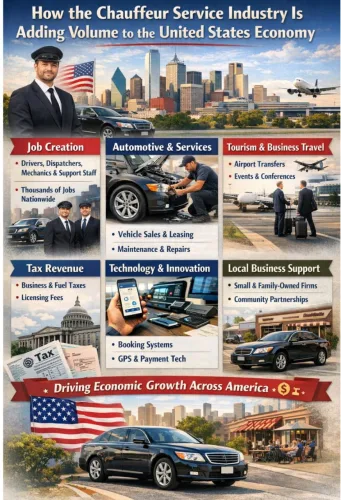
Chauffeur companies hire thousands of people across the United States. Drivers are the most visible workers, but they are not the only ones. Companies like Metrowest Car Services also employ dispatchers, customer service staff, mechanics, cleaners, managers, and sales teams.
Many drivers work full-time, while others work part-time or on flexible schedules. This helps people who need steady income and those who need side work. These wages circulate back into local communities through rent, food, fuel, and daily spending.
Indirect Employment
Chauffeur services rely on other industries to operate. Vehicle maintenance shops, car wash businesses, fuel stations, insurance providers, and software companies all benefit from this demand. Each ride creates work beyond the driver alone.
Support for the Automotive and Service Markets
Vehicle Sales and Leasing
Chauffeur companies buy or lease large numbers of vehicles every year. These purchases support car manufacturers, dealerships, leasing firms, and financing companies. Even used vehicle markets benefit when fleets upgrade or replace older cars.
Maintenance and Repairs
Vehicles used for chauffeur services run many miles each week. This leads to regular spending on oil changes, tire replacement, brake work, inspections, and repairs. Local repair shops gain consistent business, which helps them keep staff employed year-round.
Contribution to Tourism and Business Travel
Airport Transportation
Airports depend heavily on chauffeur services. Business travelers, tourists, and visiting professionals often use these services to move between airports, hotels, offices, and event venues. This smooth transportation supports airline travel, hotel stays, and conference activity.
Events and Hospitality
Weddings, concerts, sports events, and corporate meetings often require chauffeur services. These events bring money into cities through venue rentals, catering, lodging, and local attractions. Reliable transportation helps events run on time and encourages repeat visits.
Tax Revenue for Local and Federal Governments
Business Taxes and Licensing
Chauffeur companies pay federal, state, and local taxes. These include income tax, payroll tax, vehicle registration fees, and business licensing fees. Cities and states also collect fees tied to permits and operating rights.
Fuel and Sales Taxes
Every mile driven adds fuel tax revenue. Vehicle purchases, maintenance services, and equipment sales generate sales tax. These funds help support public roads, transit systems, and community services.
Technology and Innovation Spending
Booking and Dispatch Systems
Modern chauffeur services invest in booking apps, GPS tracking, payment systems, and customer management software. This creates demand for tech developers, IT support teams, and software providers based in the United States.
Data and Security Services
Companies also spend money on data storage, payment security, and communication tools. These costs support growing sectors focused on digital safety and business operations.
Support for Small and Local Businesses
Independent Operators
Many chauffeur services operate as small or family-owned businesses. These companies hire locally and keep profits within their communities. They often partner with local hotels, event planners, and travel agencies.
Regional Economic Stability
Because chauffeur services operate year-round, they provide stable income even when seasonal industries slow down. This helps balance local economies, especially in large cities and travel hubs.
Conclusion
The chauffeur service industry adds real volume to the United States economy in clear and measurable ways. It creates jobs, supports vehicle markets, strengthens tourism, generates tax revenue, and fuels technology spending. While often seen as a niche service, its economic reach extends across many industries and communities. By keeping people moving, this industry keeps money moving too.